
FIFA World Cup 2026: A New Epoch of Global Football
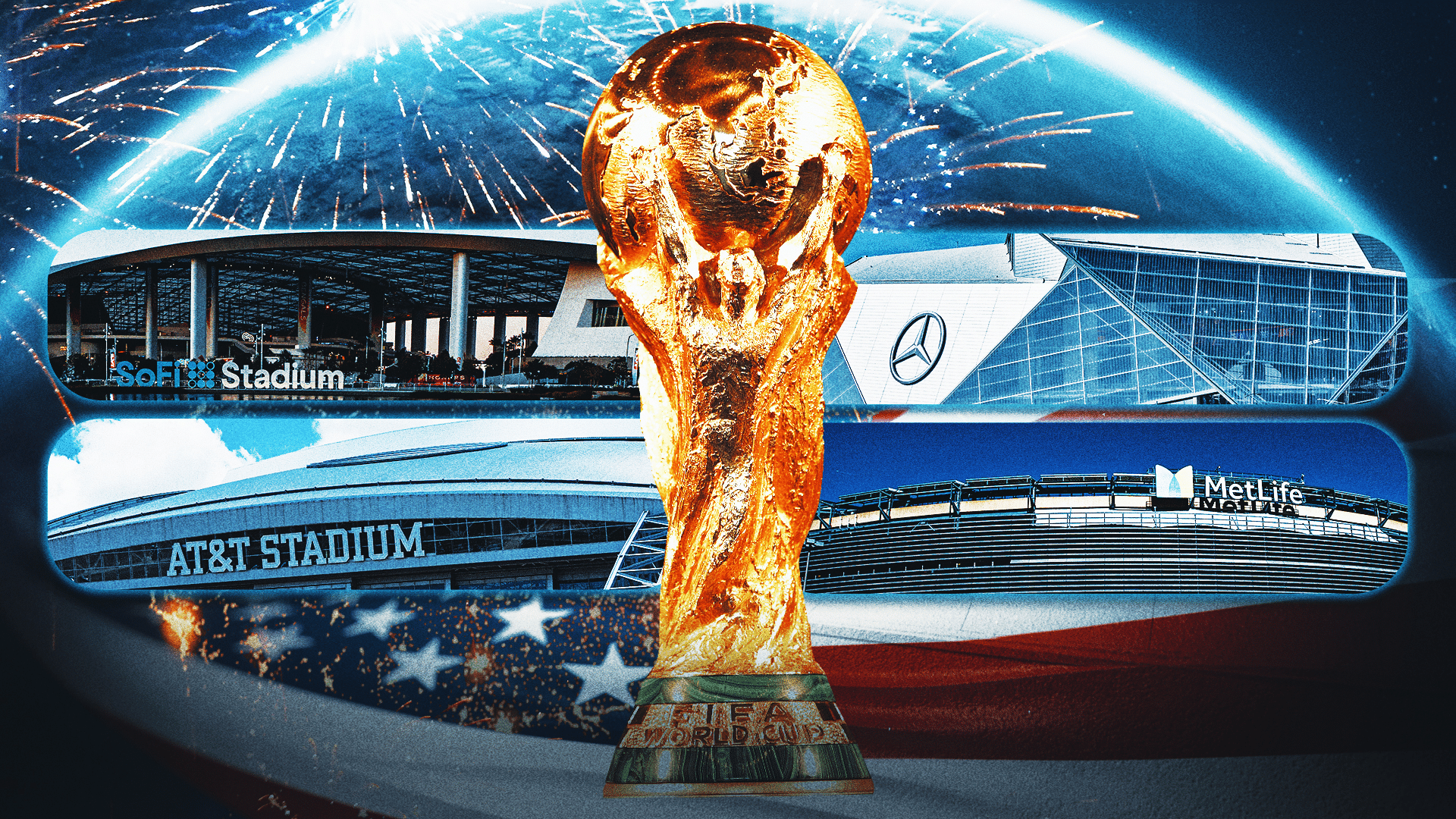
A Historic Tri Nation Spectacle
The FIFA World Cup 2026 is poised to redefine the architecture of global football, expanding not only in scale but in spectacle. Anticipation is cresting across continents as the tournament prepares to unfold across the United States, Canada, and Mexico. This tri nation hosting model introduces a rare continental convergence, transforming the competition into a sprawling celebration of athleticism and cultural dynamism.
For the first time in tournament history, 48 national teams will contest the ultimate prize. The expansion from 32 teams recalibrates the competitive matrix, generating a more intricate group stage followed by an intensified knockout phase. The competitive density increases. The margin for error narrows. Every fixture acquires amplified consequence.
This structural evolution is not merely numerical. It represents a philosophical shift toward inclusivity and global representation. Emerging football nations will step onto the grandest stage, enriching the tournament with fresh tactical identities and previously unseen rivalries.
Expanded Format and Competitive Architecture
The revised format introduces 12 groups of four teams. The top two from each group will progress, alongside the eight best third placed sides. This design creates 104 matches in total, significantly surpassing previous editions. The tournament’s cadence will stretch across approximately six weeks, generating sustained global engagement.
Such expansion elevates strategic complexity. Squad rotation becomes indispensable. Player conditioning transforms into a decisive variable. Managers must orchestrate tactical adaptability while preserving physical endurance across a demanding schedule.
The excitement surrounding the full match schedule FIFA World Cup 2026 continues to intensify as fans anticipate detailed fixture confirmations. With matches distributed across multiple time zones, broadcasters and supporters alike will navigate a dynamic viewing landscape. Once officially released, the full match schedule FIFA World Cup 2026 will serve as a strategic compass for teams, analysts, and traveling supporters planning their itineraries.
Host Cities and Cultural Magnitude
Each host nation contributes a distinctive footballing ethos. The United States offers colossal stadium infrastructures and a commercial ecosystem primed for global sporting events. Canada brings organizational precision and rapidly ascending football enthusiasm. Mexico, with its deeply entrenched football heritage, injects visceral passion into every contest.
Iconic venues across North America will serve as cathedrals of competition. Mexico’s historic Estadio Azteca is set to make history once more, having previously hosted finals in 1970 and 1986. Its storied past amplifies the narrative gravity of the upcoming edition.
Meanwhile, the United States is expected to stage the final in a state of the art arena, further underscoring the tournament’s modern grandeur. The continental dispersion of venues creates a mosaic of atmospheres, from coastal metropolises to inland sporting hubs.
Economic Impact and Global Visibility
Beyond the pitch, the tournament’s economic reverberations are immense. Tourism influx, infrastructure upgrades, hospitality expansion, and media rights negotiations collectively contribute to a multi billion dollar ecosystem. Cities hosting matches anticipate transformative commercial momentum.
Global brands will converge. Broadcasting networks will orchestrate immersive coverage. Digital platforms will amplify engagement through interactive analytics, augmented reality features, and data rich commentary. The tournament becomes not only a sporting contest but a multimedia phenomenon.
The extended format also generates broader sponsorship opportunities. More matches mean more advertising inventory. More teams mean expanded international markets. The financial scaffolding supporting the event becomes increasingly intricate.
Tactical Evolution and Player Spotlight
From a sporting perspective, the expanded competition could recalibrate tactical paradigms. Nations with deeper squad depth may gain advantage over those reliant on a concentrated core of elite players. Rotational sophistication will be essential.
Young prodigies are expected to emerge as breakout figures. Veterans will seek legacy defining performances. The tournament’s duration tests resilience while rewarding strategic foresight.
Moreover, continental representation becomes more balanced. Federations from Africa, Asia, and Oceania will experience enhanced qualification pathways, contributing to a more polyphonic footballing narrative.
Anticipation Builds Toward 2026
As qualification campaigns unfold across confederations, anticipation continues to swell. The road to North America is paved with regional rivalries, tactical experimentation, and aspirational momentum. Every qualifying fixture carries amplified stakes.
Supporters are already mapping travel routes. Analysts are projecting potential group configurations. Conversations around probable finalists and dark horse contenders permeate sporting discourse.
When kickoff finally arrives, the spectacle will transcend sport. It will represent unity across borders, an orchestration of cultures bound by shared passion. The FIFA World Cup 2026 stands not merely as a tournament, but as a reimagined global convergence that fuses athletic excellence with continental collaboration.
The countdown advances. The stage expands. History awaits.


